Trailblazers: The People Who Help Shape CCALT

CCALT Trailblazers
CCALT’s impact is a product of the vision and tireless effort of trailblazers — producers, families, volunteers, and conservation leaders who have shaped Colorado’s commitment to working lands conservation. This page honors the people whose vision, grit, and stewardship helped shape and continue to empower CCALT’s mission. Together, they remind us that conservation is not just about preserving landscapes — it’s about the people whose care and commitment bring those landscapes to life.
Among these trailblazers are Colorado’s farm and ranch families — the humble heroes who steward the land and water, and deliver essential food and fiber to our tables. Through our continuing partnership with these families, CCALT is honored to help ensure these working landscapes thrive, enriching the quality of life for all Coloradans.
Please check back from time to time, as we will continue adding to this page.
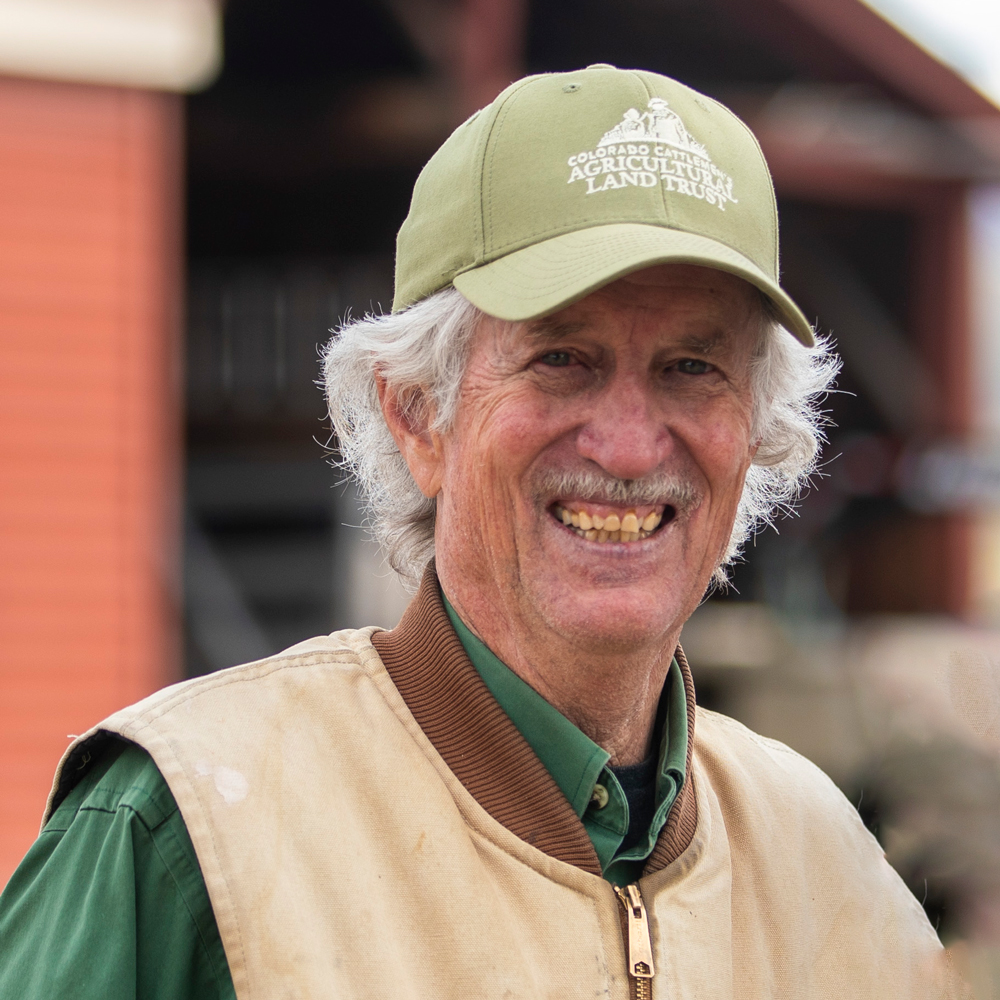
Jay Fetcher
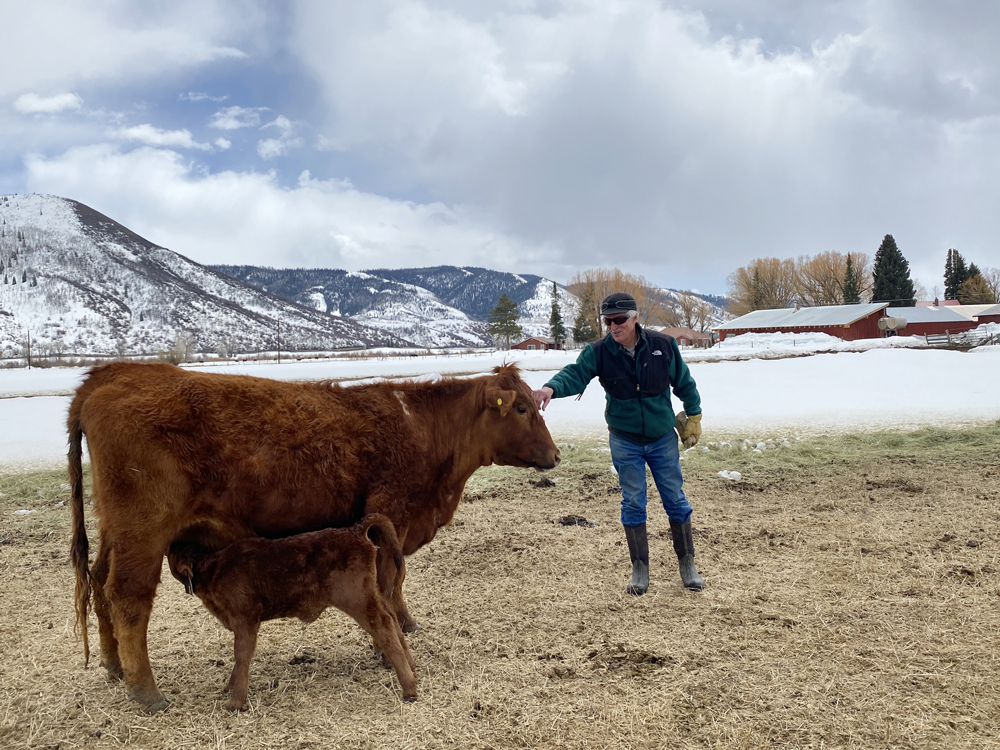
Jay Fetcher
Clark, Colorado
“When I had the concept of CCALT in 1995, I never dreamed that we would have such an impact on the state, particularly the benefit to our agriculture producers.”
Jay Fetcher is a Colorado rancher and conservationist renowned for his pioneering efforts to utilize and advocate for conservation easements that work for farm and ranch families. Growing up on his family’s ranch in the Upper Elk River Valley near Steamboat Springs firmly instilled his connection to animals and nature and inspired Jay to seek conservation initiatives that could maintain this way of life.
In 1993, Jay and his wife, Gael, worked with the American Farmland Trust (AFT) to place a conservation easement on Fetcher Ranch. They found this tool could conserve the land and help mitigate estate taxes, which greatly supported Jay’s ability to eventually inherit the ranch.
Jay was also a lifelong member of the Colorado Cattlemen’s Association (CCA), the nation’s first statewide livestock industry association. Recognizing the broader potential of conservation easements, he believed this tool could benefit other ranch families. Jay’s experience with AFT inspired him to connect with a few of his peers across Colorado to petition the CCA membership to create a land trust made up of farm and ranch families. This concept would eventually transform working lands conservation in Colorado and beyond by leading to the creation of the Colorado Cattlemen’s Agricultural Land Trust (CCALT).
Jay Fetcher immediately joined the board of directors of CCALT, subsequently serving as President from 1996-2004. He rejoined the board in 2015 and will complete his final term of board service in June 2025. Jay and Gael have placed additional conservation easements on Fetcher Ranch lands with CCALT over the years and have inspired neighbors to conserve more than 17,000 acres of private working lands along the Elk River and its tributaries. This large conservation corridor will always be available for agriculture and wildlife, thanks in large part to Jay’s vision.
Jay continues to advocate for land conservation, emphasizing the importance of conserving working landscapes for future generations. His work exemplifies how conservation easements serve as an effective tool for conserving land and water resources, for estate planning, and for maintaining Colorado’s agricultural heritage.
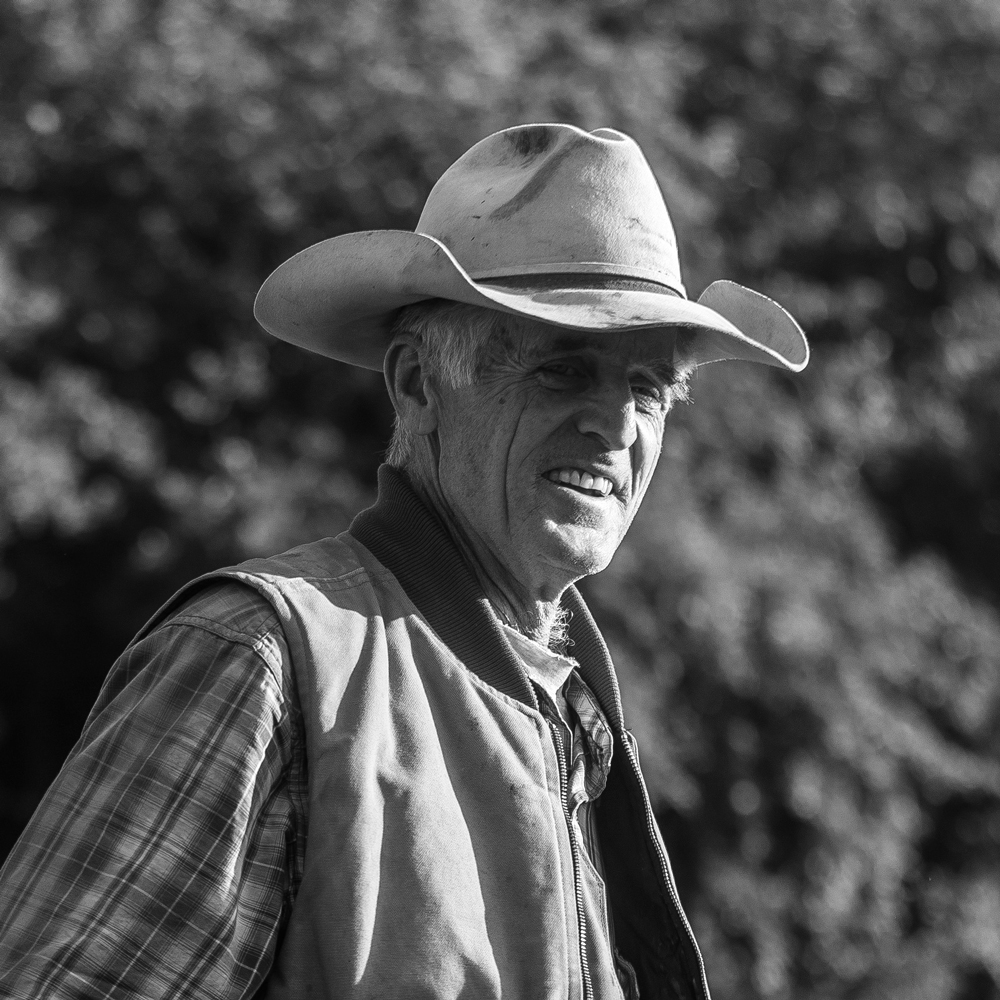
Bill
Fales
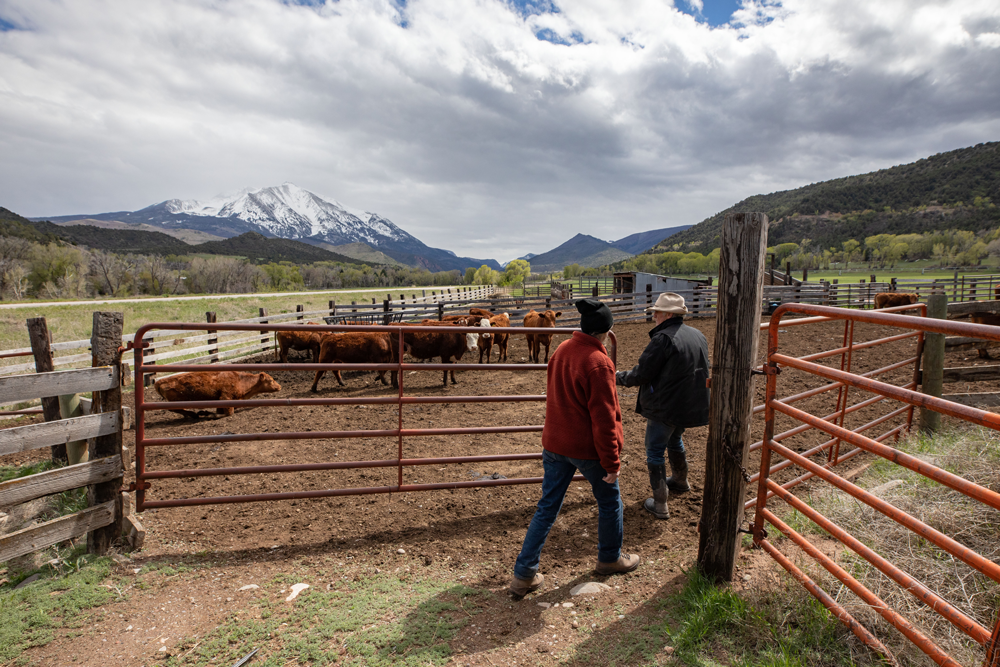
Bill Fales
Carbondale, Colorado
“It’s just really rewarding to see all the land that CCALT has conserved with ranch families all around the state.”
Bill Fales is a rancher and foundational figure in the formation of the Colorado Cattlemen’s Agricultural Land Trust (CCALT). He became a rancher during the summer of 1973 when he took a job on a hay crew in Carbondale, Colorado and met his wife, Marj Perry, whose grandfather had arrived in the Roaring Fork Valley in 1880. Bill was immediately drawn to ranching, working outside every day with jobs that varied each season. He valued the ability to accomplish something tangible and to produce food and immediately became involved in his community.
As Bill and Marj established Cold Mountain Ranch together, Bill heard about Stephen Small’s book, “Saving the Family Farm,” and began thinking easements could be an effective tool for agricultural producers in the West. While president of the Holy Cross Cattlemen’s Association and a board member of Pitkin County’s open space program in the early 1990s, he invited Small to speak to the community about conservation easements, and months later to the entire Colorado Cattlemen’s Association membership at their annual convention. Bill was invited to join the CCA land trust task force chaired by Jay Fetcher, with Penny Lewis and Tom Compton as additional members in their pursuit of creating a land trust under the direction of CCA.
Bill joined the CCALT Board of Directors in 1995 and served as CCALT Board President from 2007 until 2015. As president, Bill worked on building the organization’s financial solvency and ultimately gained support from the National Cattlemen’s Association (now National Cattlemen’s Beef Association) in their acceptance of voluntary conservation easements and CCALT’s groundbreaking conservation model. He also traveled across the state to CCA affiliates and local chapters to build organizational awareness and understanding for how easements could work for farm and ranch families. By CCALT’s 20th year of service in 2015, under Bill’s direction, more than 240 families had partnered with CCALT to conserve more than 450,000 acres statewide.
Beyond his organizational contributions, Bill remains personally committed to working lands conservation. He and Marj conserved Cold Mountain Ranch in 2009 with CCALT to ensure its agricultural heritage continues in the Roaring Fork Valley. Fales’ legacy continues through their daughter, Molly Fales, who grew up with CCALT and has worked for the organization since 2015, currently as the Staff Attorney.
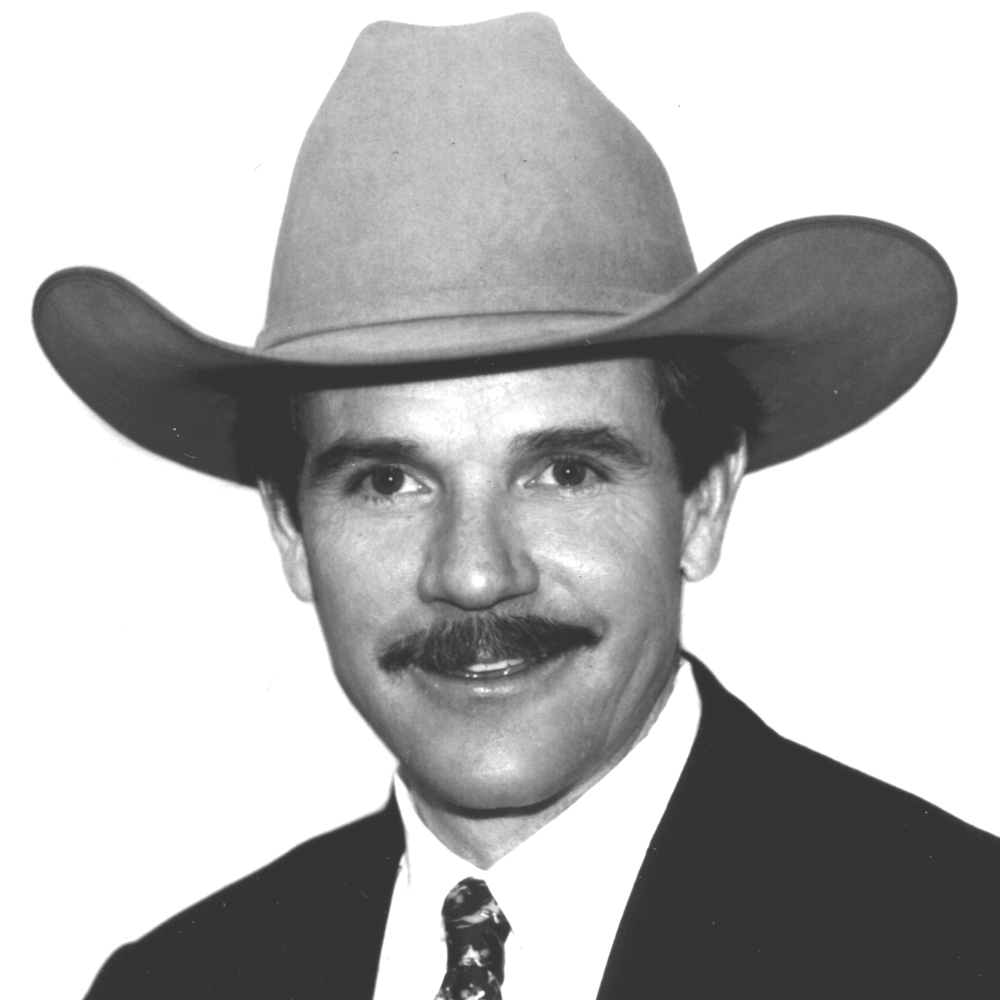
Kirk Hanna
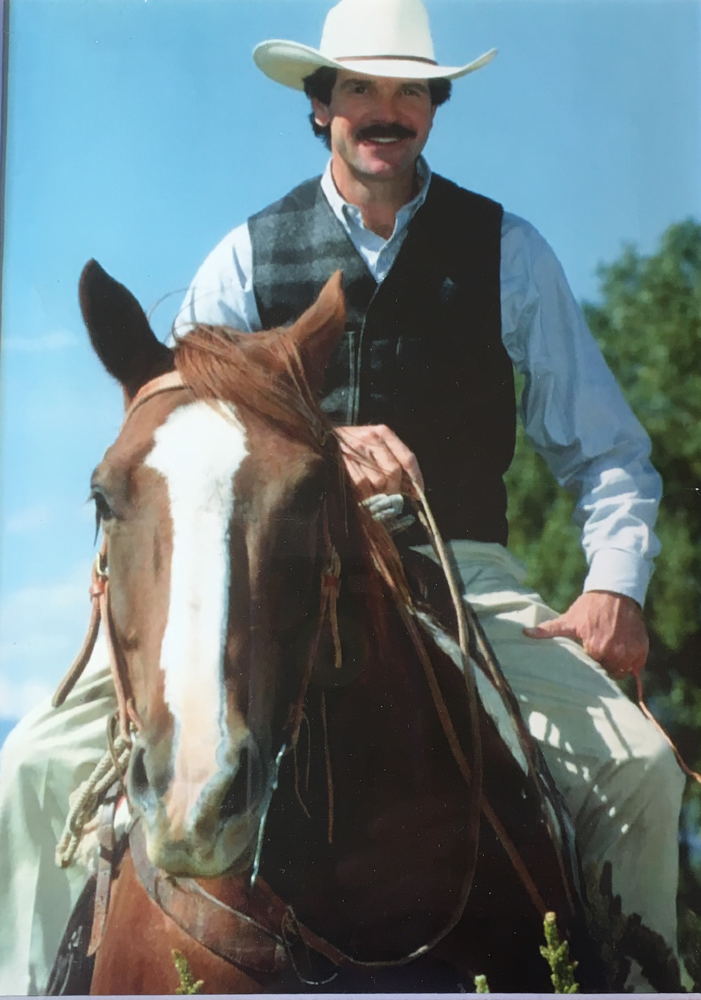
Kirk Hanna
Hanover, Colorado
“My family is deeply grateful to the conservation and ranching communities of Colorado who have been on this journey with our family for many decades. The partners who share this journey, the highs and the lows, make this work so special. It has always been an honor to be part of the bold and committed teams of CCALT through the years.”
– Maggie Hanna
Kirk Hanna was a third-generation rancher known as the “renaissance rancher” and an “eco-ranching visionary.” He was raised on his family’s ranch near Colorado Springs and established Hanna Ranch in Hanover with his wife and daughters. Kirk was a pioneering advocate for sustainable agriculture and incorporated early uses of rotational grazing and natural fertilization to improve soil health and productivity on Hanna Ranch. Kirk also envisioned a future of the West wherein ranchers and environmentalists worked together in land stewardship.
A stalwart Colorado Cattlemen’s Association (CCA) member, Kirk served on its Board of Directors from 1990-1998 and as CCA president from 1997-1998. When Jay Fetcher approached the CCA Board of Directors about building an agricultural conservation organization, Kirk became a pivotal advocate with the motto: better to be out in front. In 1994, he and Jay presented the directive that was ultimately passed by the CCA board to officially create a land trust separate from but under the direction of CCA.
Kirk made a prophetic statement in subsequent conversations: “A land trust may create some ill will, but it will probably create some goodwill as well. We may upset five to 10 CCA members, but we might please four to five thousand environmentalists who are the voting populace of this state.” Great Outdoors Colorado offered crucial seed funding to help establish the foundations of a “Cattlemen’s Land Trust” and has also provided funding for CCALT conservation projects over the years. This began a path wherein CCALT has continued to receive generous funding support from many other conservation organizations and agencies to further its work.
Beyond Kirk’s work with CCALT, he served on numerous boards, including the Colorado chapter of The Nature Conservancy and the Central Colorado Soil Conservation District, reflecting his commitment to bridge the gap between ranchers and environmentalists. Tragically, Kirk Hanna passed away in 1998, but his legacy endures through the continued conservation efforts of his family. His family conserved Hanna Ranch in 2010, and his daughter, Maggie, joined CCALT in 2014. She occupied nearly every position over the course of a decade before moving on to advocate for grasslands conservation across North America. Like father, like daughter. Kirk’s legacy continues to have a lasting impact on CCALT’s innovative approach to conserving Colorado’s agricultural landscape.
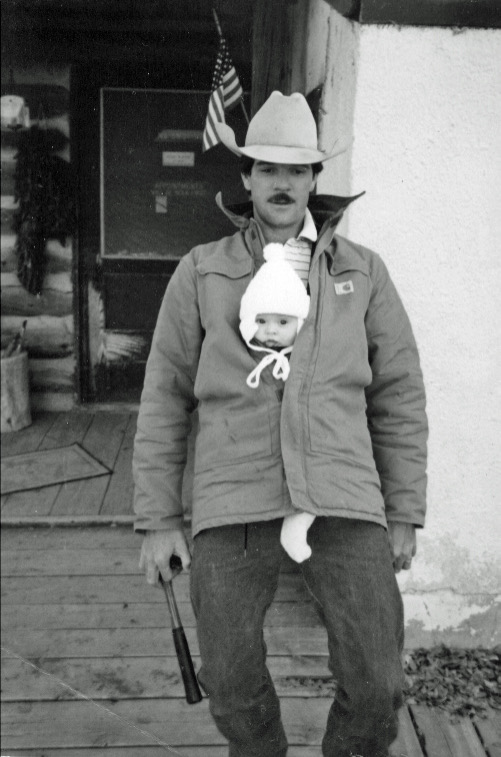
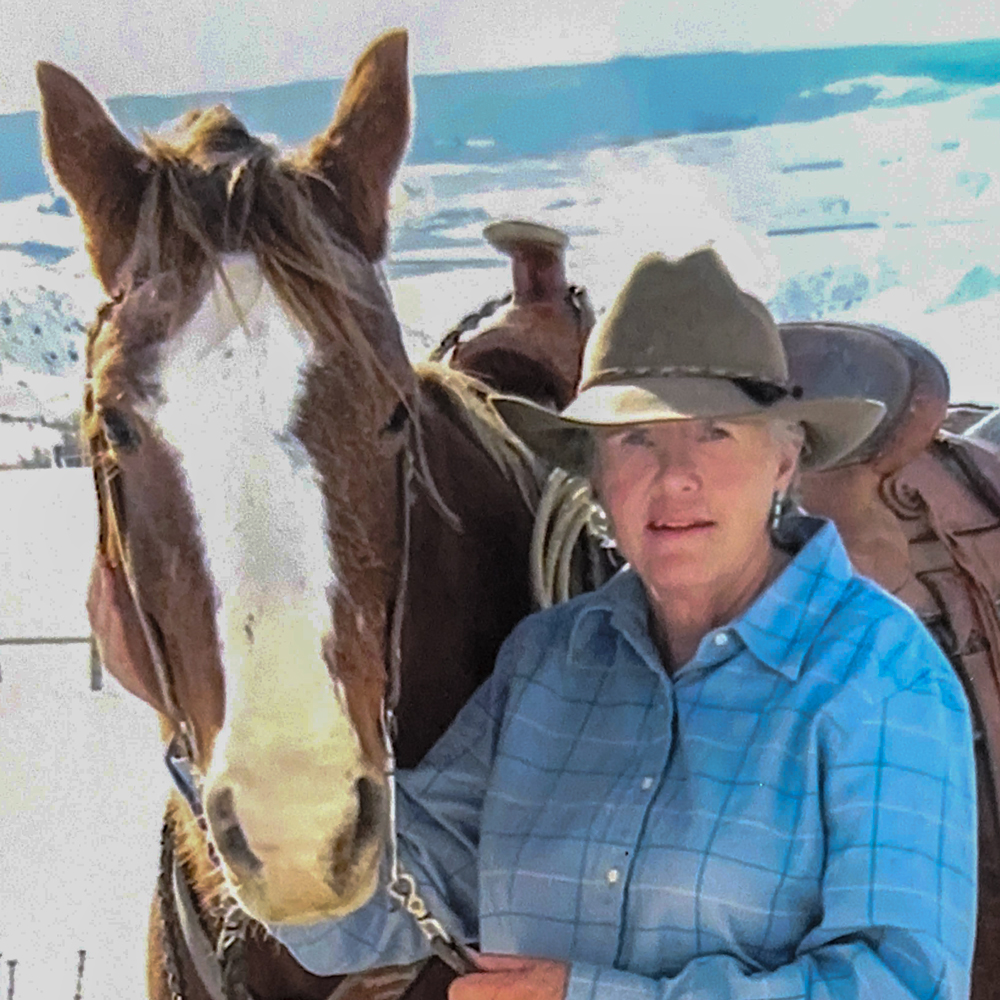
Penny Lewis
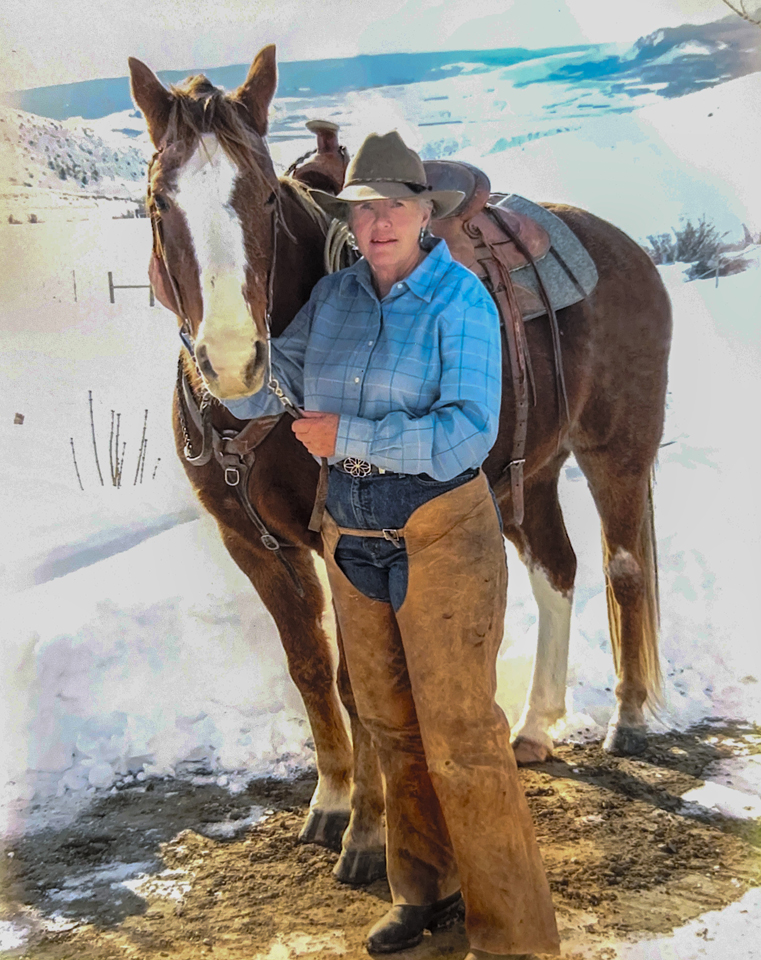
Penny Lewis
Kremmling, Colorado
“CCALT is an integral part of cattle ranching in Colorado. Creation. I’m thankful to be part of creating something that has become an essential part of the agricultural community.”
Penny Lewis is a Colorado rancher and civic leader who played a pivotal role in the establishment and foundational growth of CCALT and whose career spans more than four decades in agriculture, land conservation, and public service. Penny grew up around the ranching lifestyle and she and her husband, Chuck Lewis, had a 30-year love affair with ranching, building their own ranch near Kremmling together. She loved the ranching way of life and was actively involved in every task on the ranch, with calving season her favorite time of the year.
Penny is an active member of the Colorado Cattlemen’s Association (CCA) and was invited to become the first woman on the CCA Board of Directors in the late 1980s, ultimately serving as vice president for a time. She believed every rancher practiced conservation in one way or another and in 1994, joined the land trust task force with chair Jay Fetcher, and Bill Fales and Tom Compton as members to create CCALT. She then served faithfully on the CCALT Board of Directors from 2000-2018. Penny continues to serve CCALT as an Emeritus Director.
Penny always loves sharing the story of CCALT. She planted seeds in young CCA members who ultimately developed into leaders for both CCA and CCALT. Penny was integral in funding the 2015 organizational re-brand and development of the current logo and website you see today, passionately advocating for our logo to include the image of a young woman. Penny insisted that CCALT elevate its financial acumen. She helped identify and recruit CCALT’s longtime controller, Anne Rogers. She also helped move CCALT’s audit services to Kundinger Corder and Montoya, PC, and demanded that staff leadership have a broad and deep understanding of good financial management and business practices. Penny said she retired from the board to let younger people serve, having helped to prepare the next generation of leaders in working lands conservation.
Throughout her lifetime, Penny has also held significant public roles at the county and state levels that contributed immensely to elevating Colorado’s agricultural sustainability, land conservation, water issues, and cultural preservation.
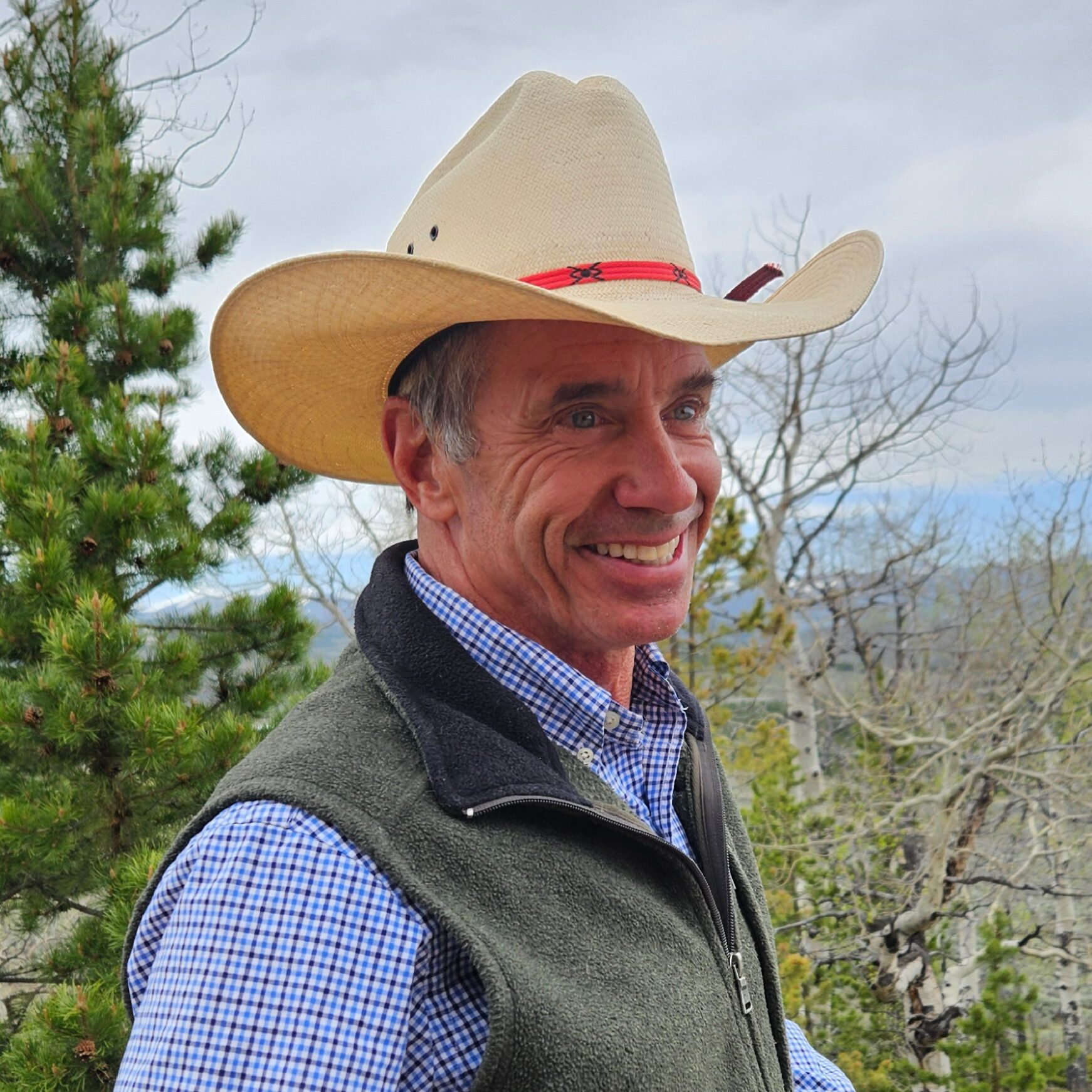
REEVES BROWN
REEVES BROWN
GRANBY, COLORADO
“I’m very proud of CCALT’s success, not only for the ranchland open space that it has conserved, but even more so for shining a spotlight on the critical role that ranching families play in providing the food supply, viewsheds, habitat, and quality of life that the broader public sometimes takes for granted.”
Reeves Brown is an agricultural advocate and public policy consultant whose lifelong passion for rural America and ranching led him to play a crucial role in the founding of the Colorado Cattlemen’s Agricultural Land Trust (CCALT). His grandfather and father started their family ranch in Montana in 1960, and Reeves managed the ranch during the generational transition that ultimately passed the ranch on to his nephew, who is now raising the Brown family’s fifth generation on the ranch.
Reeves found a way to continue his agricultural passion through policy work. After spending many years working in the Denver area, which included a term on then-Governor John Hickenlooper’s cabinet, he and his family now reside in Grand County, rediscovering his rural roots.
A stretch working for the National Cattlemen’s Association (now National Cattlemen’s Beef Association) led to Reeves becoming the Colorado Cattlemen’s Association (CCA) executive vice president from 1989-1997. Reeves learned about the concept of conservation easements in 1993 from Jay Fetcher, when Jay shared that his family had placed a conservation easement on their own ranch to facilitate their ability to pass the ranch on to their daughters. As part of that conversation, Jay expressed how challenging it was to find a land trust that shared the family’s traditional ranching values. Intrigued by the concept and recognizing how conservation easements could similarly benefit other ranching families, Reeves subsequently proposed to Jay the idea of CCA creating its own land trust to partner with ranching families that were interested in utilizing the tool.
Reeves said he saw conservation easements not only as a tool to preserve working ranch landscapes, but also as an opportunity to highlight the role of ranching in providing wildlife habitat and open space viewsheds – values that were increasingly being appreciated by the wider public. He was one of the prominent voices, along with Jay Fetcher and Kirk Hanna, in persuading CCA’s leadership and membership that conservation easements could be an effective resource.
“The idea of the nation’s oldest state cattlemen’s association creating the first land trust by a mainstream agriculture organization was considered to be incredibly innovative by some of our CCA members, while others considered it to be an act of heresy. It truly pushed the bounds of leadership in the cattle industry and, I think, still does to this say,” says Reeves.
In the first years after CCALT was formed, Reeves also joined the new organization’s board of directors. He remembers continuing to support the view that the land trust could be a solution to some of the development and transitional pressures that ranching and agriculture would face in the future. As a landowner-driven decision, easements were a voluntary tool ranch families could use if it worked for them. Reeves attributes CCALT’s success largely to the unique, inherent partnership that exists between the land trust and the ranching landowners it serves. When it comes to negotiating the terms of an easement, both parties are on the same side of the table, working together to preserve shared traditional ranching values.
Reeves continues to hold multiple roles in public policy and community development. He offers his services to communities across Colorado through Synergy Solutions, which he founded in 2015. He believes CCALT still shines the spotlight on common ground that most everyone embraces: that open space is essential. CCALT is in a unique position to help the 98% of Americans who are not in agriculture appreciate what the 2% who are do: they keep working lands In working hands.
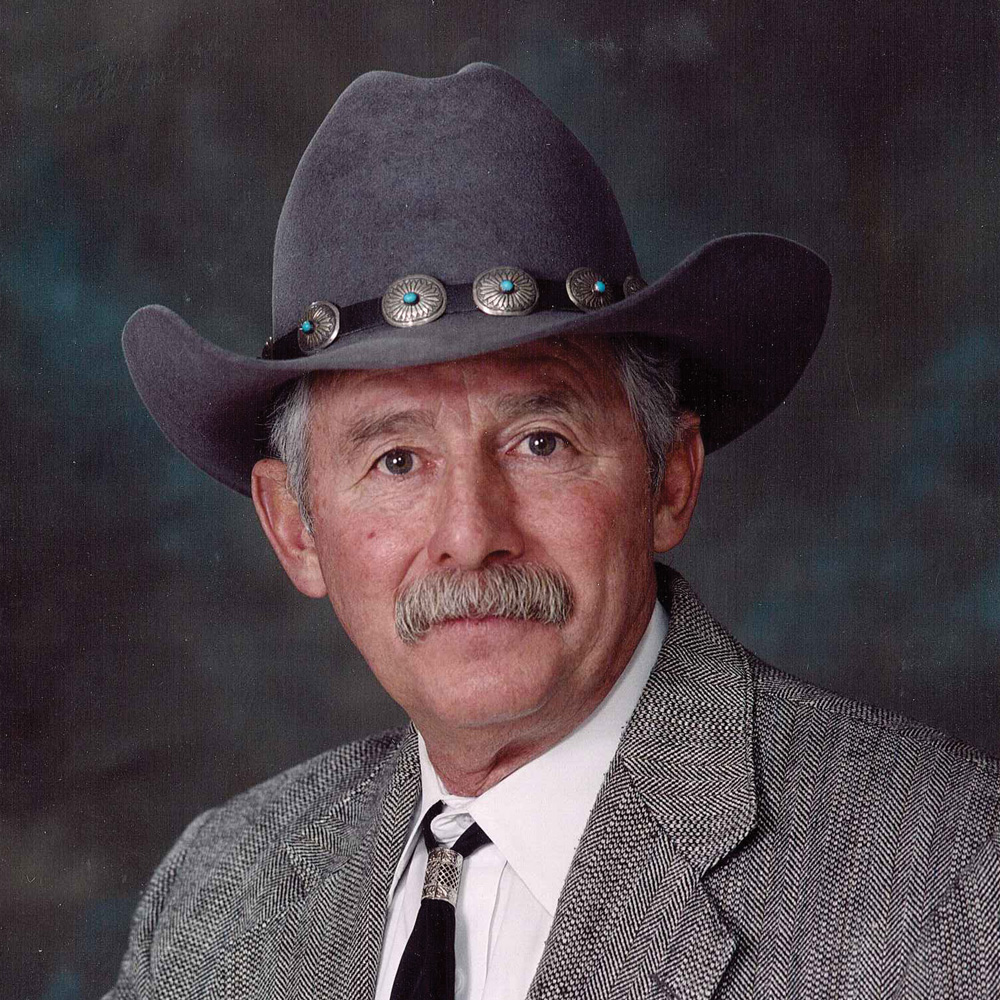
Tom Compton
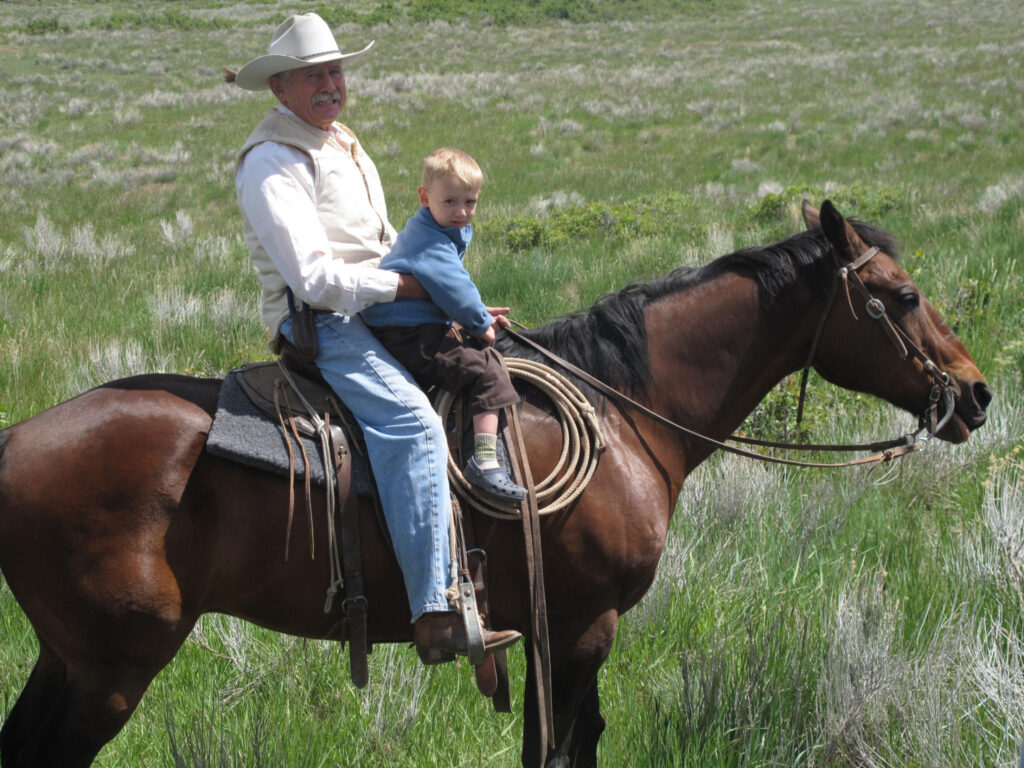
tOM COMPTON
hESPERUS, COLORADO
“It’s been very satisfying. A person my age looks back and wonders, ‘Did I do anything of significance to help people along the way?’ I’m happy to have been part of establishing CCALT.”
Tom Compton is a respected rancher and conservation advocate who was part of the Colorado Cattlemen’s Association (CCA) Land Trust Task Force. He is well-known for becoming one of CCALT’s most steadfast supporters. Compton ranches near Hesperus, Colorado and has a deep connection to the Southwest Region of Colorado.
Tom is a longtime CCA member and leader. He served as the organization’s president from 2000-2001 and was a member of CCA’s board of directors when Jay Fetcher first presented the idea of utilizing conservation easements to conserve agricultural lands. Tom admits that, in the beginning, he was among the most vocal opponents of the idea. Like many other ranchers, he was concerned about what this could mean for private property rights. The CCA board tasked him with exploring this new idea and, for months, he read as much literature as he could, conferred with people in the land trust community, and spoke with many landowners and CCA members to understand their support and/or concern. The more he learned, Tom says, the more it became clear this was a good way to support agriculture producers and working lands conservation, to the point that he served as CCALT’s first president upon its formation in 1995.
Tom had a unique ability to understand both sides of any debate. After careful consideration, he became a key advocate for the establishment of CCALT. He wanted to ensure that putting a land trust together would be helpful to CCA’s members and Colorado’s agricultural families. What sold Tom was the fact there wasn’t a one size fits all model for conservation easements. Conservation easements could be designed to respect and honor the agricultural operations while allowing landowners to continue managing their lands. Many CCA members were part of multigeneration ranching families and Tom also advocated for intergenerational family buy-in as an important precursor to establishing an easement, something CCALT still upholds today.
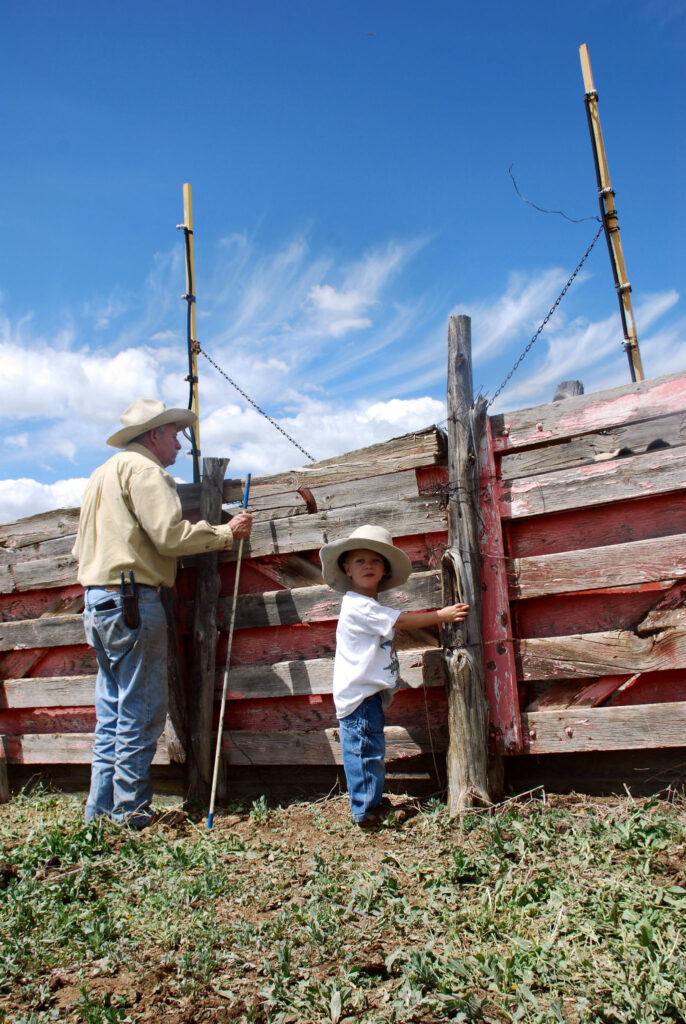
Compton has remained faithful to his local Southwest Colorado community. He served as chairman of the Colorado Oil and Gas Conservation Commission (COGCC), where he advocated for balanced policies that considered both environmental impacts and the economic realities of landowners. He also served on the board of directors of his local land trust, the La Plata Open Space Conservancy.
tOM
TOM COMPTON
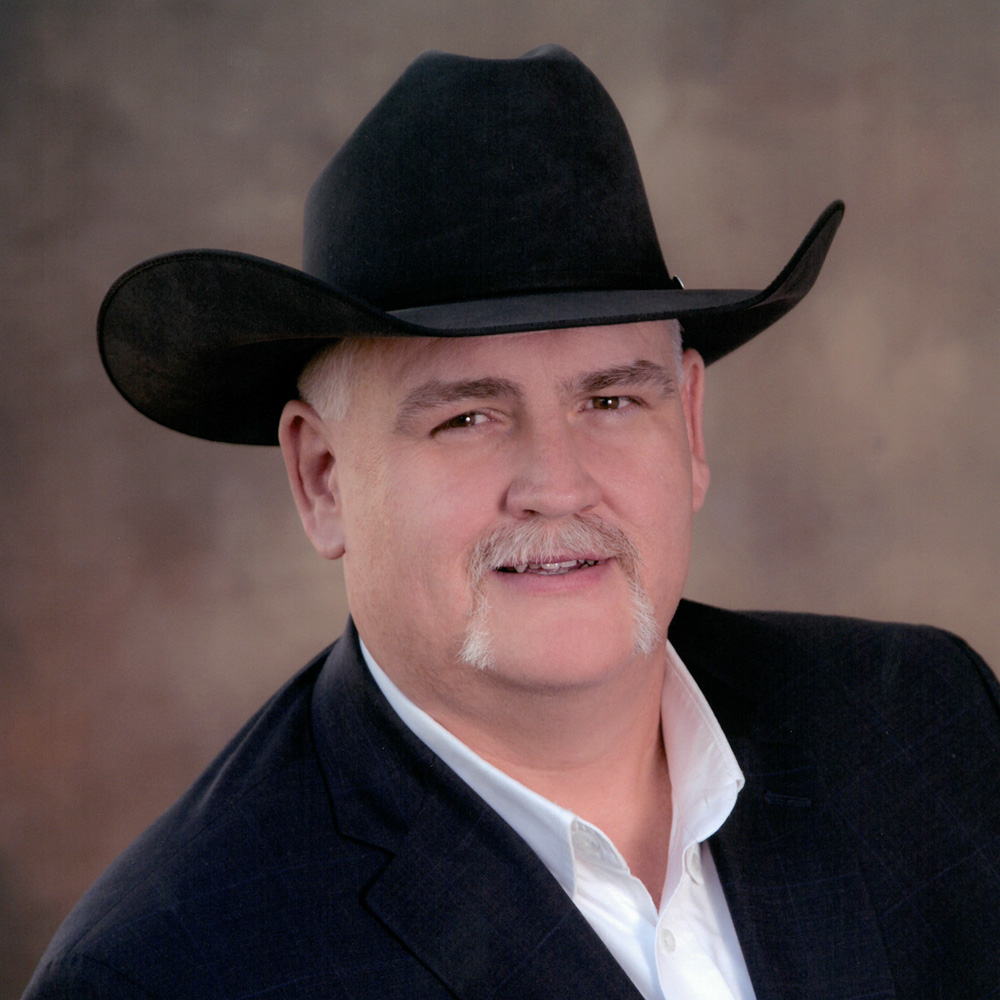
Terry Fankhauser
TERRY FANKHAUSER
Madison, Kansas
“I knew from an early time in my career that I wanted to serve the beef industry and make it a better place for producers to do business.”
Through his vision, advocacy and tireless work ethic, Terry Fankhauser became a highly respected leader and influential voice for the livestock industry in Colorado and beyond.
Originally from Kansas, Terry moved to Denver in 2000 to join the Colorado Cattlemen’s Association (CCA), where he served as the association’s executive vice president for 22 years. In the summer of 2022, Terry, alongside his wife Hidi and their children, Emma, Tess, and Grant, returned to the family ranch in Madison, Kansas, established in 1906 by Terry’s great-grandparents, but he continued to serve as an advisor to the CCA.
In January 2024, Terry passed away unexpectedly, leaving a legacy of service and positive impact that will benefit generations throughout Colorado’s agricultural community. In February 2025, his leadership and service were celebrated and honored, as Terry was inducted into the Colorado Agriculture Hall of Fame. The following tribute is a compilation of praises and memories from a variety of people affiliated with CCA and CCALT who knew him well.
Three descriptions become a common thread for Terry: he was fiercely loyal, he was a calm presence in the storm and he always had the bigger picture in mind. Terry was truly passionate about keeping working families on working lands, sifting through new ideas and identifying those that best served people, land and animals. In his role as executive vice president of CCA, Terry also served on the Colorado Cattlemen’s Agricultural Land Trust (CCALT) Board of Directors. He was recognized as an emeritus director for CCALT and the organization benefitted greatly from his wisdom, tenacity and innate ability to bring people of different backgrounds together to develop solutions that would benefit the greater good.
By virtue of Terry’s successful tenure with CCA, he became a trusted and respected voice for the agriculture community in Colorado and beyond. There was no issue he wouldn’t tackle and no one he wouldn’t speak with and thoughtfully listen to. He had deep institutional memory, which commanded respect as he built and fostered partnerships over decades of service across Colorado and with organizations such as the National Cattlemen’s Beef Association.
Terry encouraged people to concentrate not on what an idea or initiative would do tomorrow, but instead on the impact it would have decades from now, well into the future. He would drop one of his “truth bombs” and suddenly things that had not been apparent would immediately become clear and recognizable.
Terry was one of the early adopters of the concept of ecosystem service benefits on farm and ranch lands. He realized that if ranchers could receive compensation for the “public goods” that are delivered through private lands, these lands had a better chance of staying in agriculture and not being transitioned for development.
While active in issues and public policy that impacted the beef and agriculture industry in Colorado and beyond, Terry was also known for his mentorship and influence in preparing future leaders in the industry to “play bigger than they are,” fostering a culture of growth and resilience across the agriculture industry. Terry’s contributions to CCALT and private land conservation may not be as well-known as his leadership of CCA, but Colorado’s innovative conservation easement tax credit exists today in large part due to Terry’s keen political sense and strong leadership. His legacy endures.
miles
Davies
mILES dAVIES
Deer Trail, Colorado
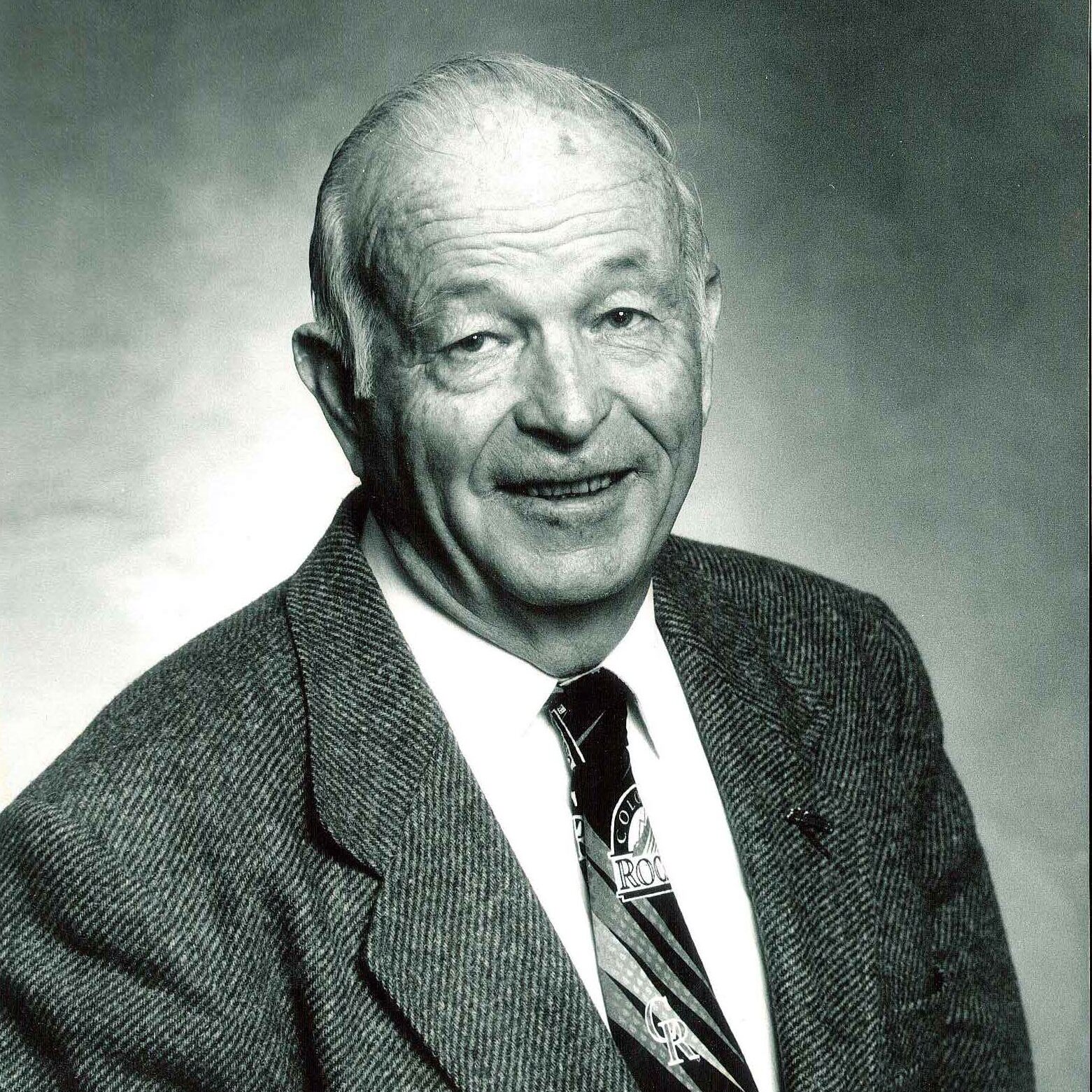
Miles Davies was a respected Colorado rancher and agricultural leader who became one of the most trusted advocates for the Colorado Cattlemen’s Agricultural Land Trust (CCALT) during its formative years. Miles and his wife of 62 years, Jeanne, maintained a successful ranch in Eastern Colorado near Deer Trail, where Miles held community leaderships roles across the agriculture industry and served as a leader for 4-H for 30 years. He was also recognized as being one of the first cattlemen to introduce Simmental cattle into the United States and served as a director of the National Cattlemen’s Beef Board. Miles was inducted to the Colorado Agriculture Hall of Fame in 2009 and passed away in 2013. Among those who knew him well, he was highly respected for being one of the finest gentlemen in agriculture.
Miles always cared for the land and was recognized as the Colorado Division of Wildlife Runner Up Landowner for the Year 1991. In March 1994, when CCA President Joe Kasza proposed the formation of a land trust, Miles seconded the motion, demonstrating his commitment to land stewardship and conservation. Miles went on to become CCA president in June of 1995 and helped establish CCALT. Miles later served on the CCALT Board of Directors from 2007-12.
Miles was known for his quiet and gentle demeanor, and for being a very wise sage when it came to advancing both CCA and CCALT. When asked if he knew so-and-so, Miles might respond, “Does anyone really ever know anyone?” He gave people and issues the due diligence and consideration required to better understand them. While he wasn’t one to push for change, Miles understood that change could be a positive and he provided a steady hand that allowed both CCA and CCALT to move forward in a way that stayed true to their roots. Miles was judicious in choosing when to speak and always did his research to make certain everything he said was grounded in truth and carried volumes of wisdom. If Miles embraced something, everyone knew it would work because he took the time to study it to ensure it would be good for cattle, people and the land.
As a respected Colorado rancher and agricultural leader, Miles remained humble and, alongside Jeanne, they quietly transformed agriculture in Colorado and are celebrated as individuals who exemplified the values of family, livestock stewardship and community service within Colorado’s agricultural industry.

Bill Silberstein
Bill Silberstein
Denver, Colorado
“They (CCALT) greatly exceeded anybody’s expectations, and I can’t emphasize that enough”
In the early 1990s, Bill Silberstein – while working on behalf of the Colorado Coalition of Land Trusts, known today as Keep It Colorado — was lobbying the Colorado legislature to pass a law that would incentivize agricultural conservation by keeping property taxes low.
Despite multiple attempts, the proposed legislation was blocked, largely due to objections from the agricultural community. That legislative gridlock set the stage for a pivotal conversation between Bill and Reeves Brown of the Colorado Cattlemen’s Association (CCA), where they had a light bulb moment and discovered a great deal of common ground and shared interest in their commitment to safeguarding Colorado’s working lands. Their dialogue became a catalyst for collaboration, which ultimately contributed to the formation of the Colorado Cattlemen’s Agricultural Land Trust (CCALT) in 1995.
In late 1994, when CCA began pursuing the idea of creating a land trust, it was Bill and his law partner, Larry Kueter, who provided legal guidance to the CCA Board of Directors on conservation easements, helping them understand what easements are and how they could be a tool in conserving working lands and agricultural operations.
After CCALT began operations, Bill provided pro bono legal assistance to secure CCALT’s federal nonprofit designation – a critical requirement for the organization to operate and fulfill its mission. At the time, the Internal Revenue Service questioned whether preserving agricultural land qualified as a charitable activity. In response, CCALT leaders, with guidance from Bill, prepared documentation to demonstrate the land trust’s alignment with the public interest, ultimately securing its 501(c)(3) status.
Following CCALT’s non-profit designation, Bill remained deeply engaged in its legal development, volunteering his expertise to support CCALT’s early governance. His efforts supported those of many others, including ranchers like Jay Fetcher, Bill Fales, Kirk Hanna, Penny Lewis, and Tom Compton, who are recognized as CCALT pioneers for bringing firsthand experience, strategic insight, and local knowledge to its mission.
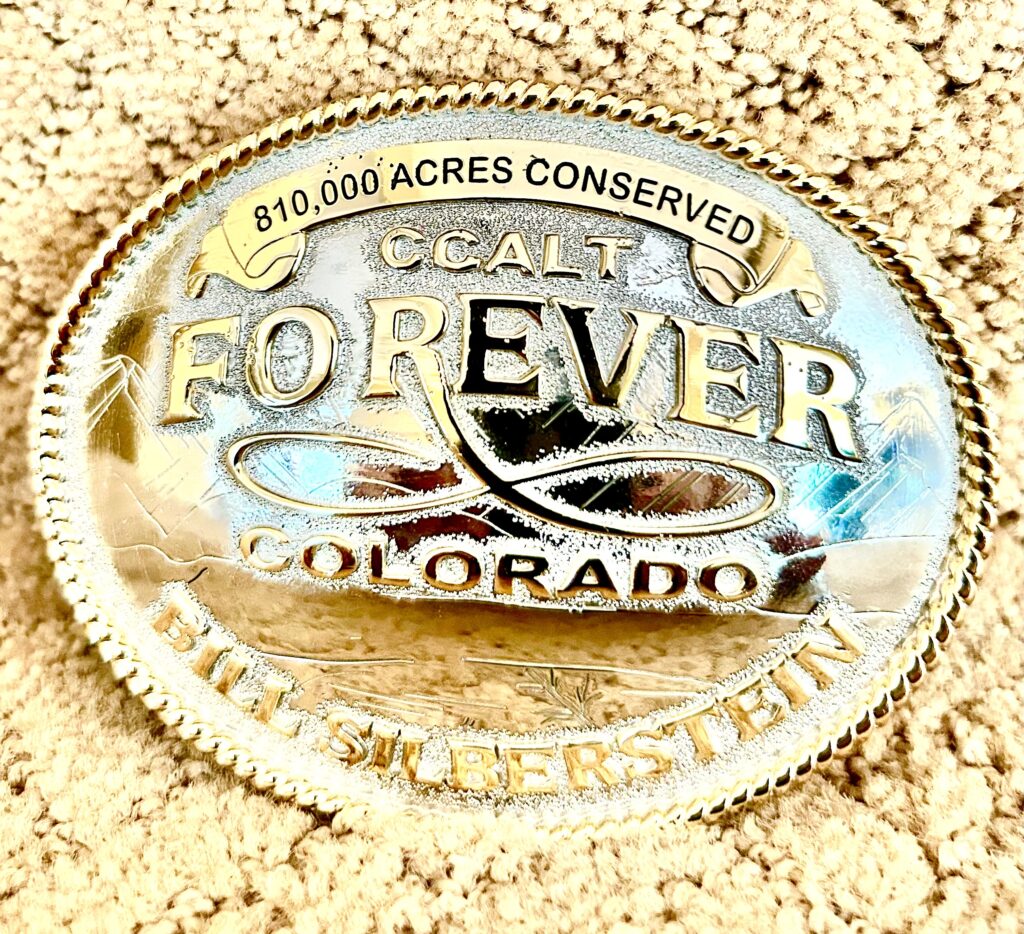
Over the following decades, as CCALT continued to grow and ultimately become one of the nation’s leading land trusts, Bill continued to provide guidance to CCALT while working with individual landowners to structure conservation easements. In recognition of his remarkable service and lasting impact on working lands conservation in Colorado, CCALT honored Bill in 2025 with a custom Forever Colorado belt buckle.
Mark Johnson
mARK jOHNSON
“Family ranches have stayed in business because of conservation easements. There’s no doubt in my mind.”
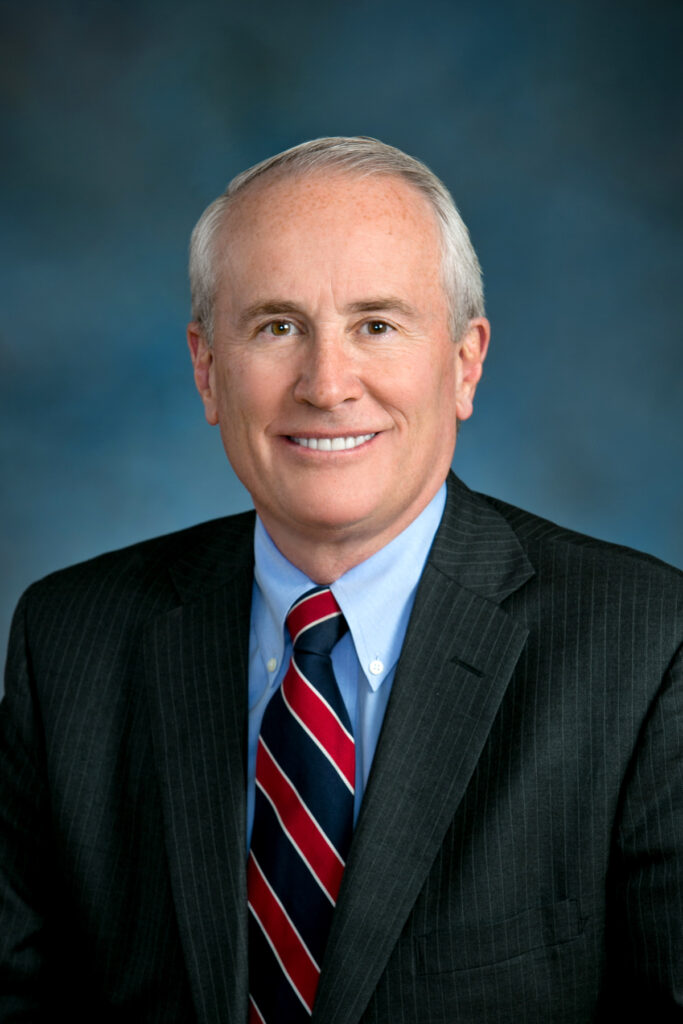
Mark Johnson’s connection to Colorado’s working landscape is rooted in legacy and guided by a deep sense of passion and responsibility. As a third-generation landowner near Pikes Peak, Mark and his family — including his brother Jim Johnson and cousin Jim Hammond — have spent decades restoring and expanding their ranch west of Colorado Springs. What began as 810 inherited acres has grown to 2,208 deeded acres, with long-term leases bringing the total footprint to over 11,000 acres. Today, nearly all of the deeded acres are permanently conserved through easements held by the Colorado Cattlemen’s Agricultural Land Trust (CCALT).
The ranch’s first easement with CCALT was placed in the early 2000s. Since then, the ranch has completed three donation cycles totaling roughly 1,000 acres. As of fall 2025, the ranch is finalizing the conservation of an additional 1,200 acres, leaving only a few mining claims outside the easement footprint. “We just want to keep the thing intact,” Mark said. “And we’ve used every easement dollar to expand the holdings.”
Mark’s passion for land conservation is rooted in family values. His grandparents, both educators, restored fragile parcels damaged by past misuse and instilled a love for stewardship that continues today. “They could have become far wealthier selling it,” he recalled. Instead, they chose to keep the land intact, passing it through their children, Margaret Hammond Johnson and Kepler Hammond, to their grandchildren — Mark Johnson, Jim Johnson, and Jim Hammond.
That ethic carried into Mark’s service on the CCALT Board, where he served for more than a decade — including three years as Chairman (2018-2021). Mark was the first non-cattleman elected to the role, a distinction he doesn’t take lightly. “It’s a tight network of cattlemen, and to be trusted to that degree was humbling.”
During his tenure, Mark championed CCALT’s long-term financial resilience, recognizing that CCALT’s commitment to landowners must be matched by the ability to steward easements across generations. He emphasized the importance of building a strong balance sheet to ensure CCALT can uphold its responsibilities well into the future.
He also brought a strategic lens to CCALT’s outreach and visibility, helping elevate the Sunset BBQ (now called the Forever Colorado BBQ) fundraiser and encouraging signage near high-traffic easement locations. His family hosted the event in 2015, marking the first BBQ at which CCALT raised over $100,000. What makes CCALT work, Mark believes, is a shared code of trust: “There’s the Cowboy Code, where the handshake is worth way more than any paper contract. That code — the eye-to-eye trust, the generations of integrity — is what sets CCALT apart. I hope and pray that never changes.”
Lynne Sherrod
Lynne Sherrod
Collbran, CO
“We never tried to talk anybody into a project. It was just about helping people understand how it (conservation easements) might benefit them.”
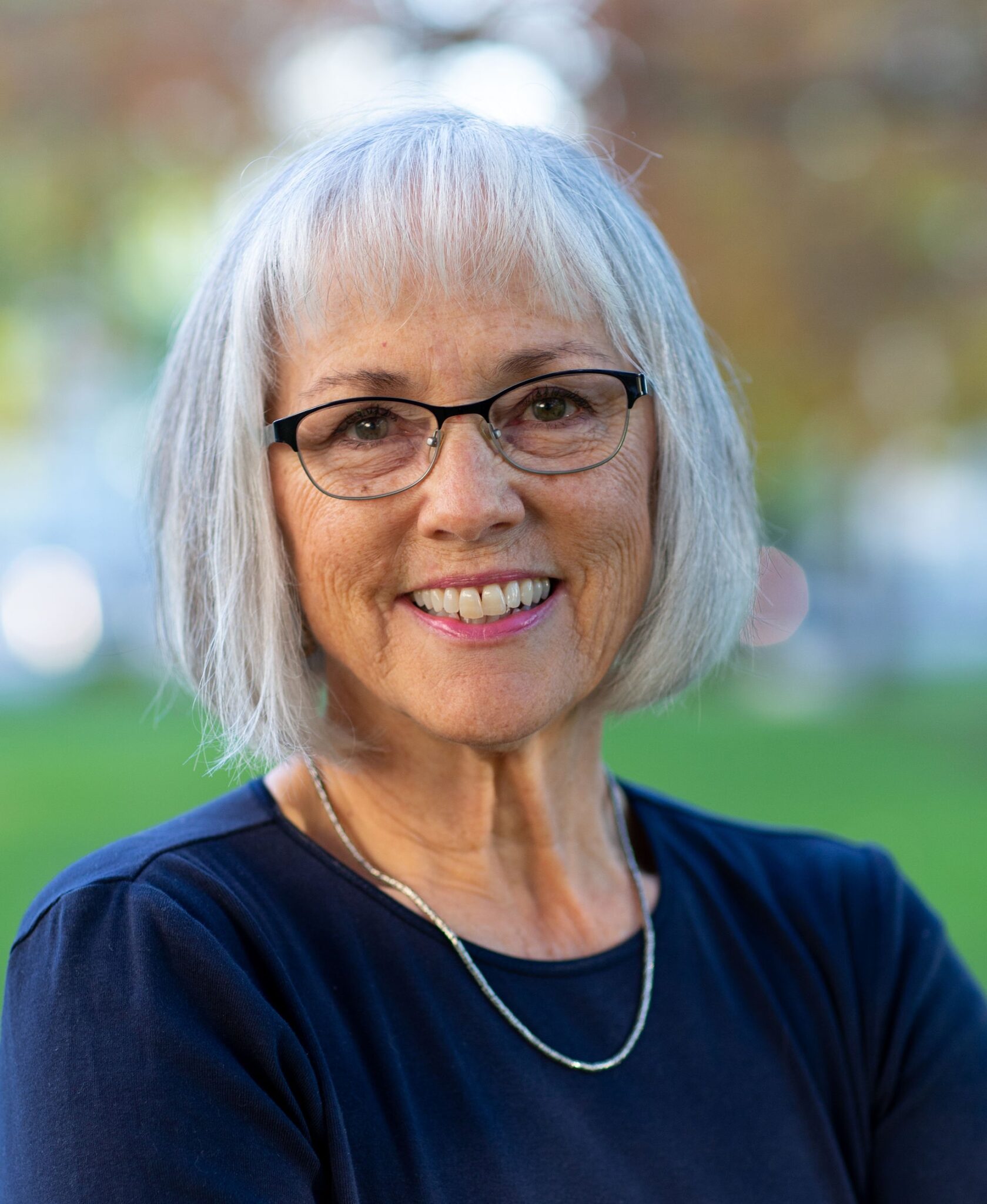
In 1997, Lynne Sherrod became the first executive director of the Colorado Cattlemen’s Agricultural Land Trust (CCALT), stepping into a role that didn’t yet exist and into a landscape of uncertainty. Conservation easements were a new concept, and CCALT’s mission, anchored in conserving working lands, was still taking shape. Lynne’s leadership helped define that mission with clarity, humility and strategic resolve.
She believed that for land conservation to be effective in Colorado, it had to begin with agricultural families as the central decision makers. Her outreach was relentless. In her first year, she drove tens of thousands of miles across the state, attending board meetings, conventions and workshops to represent CCALT and answer questions directly. “We never tried to talk anybody into a project,” she said. “It was just about helping people understand how it might benefit them.”
As interest in agricultural conservation grew, Lynne began receiving calls from other states eager to learn how CCALT was gaining traction. Lynne and others saw this as an opportunity to share what CCALT had learned through CCALT’s grassroots efforts. She helped organize a two-day national workshop in partnership with the National Cattlemen’s Beef Association, bringing together landowners, advocates and emerging land trusts to share strategies. That gathering helped spark the formation of the Partnership of Rangeland Trusts (PORT), a coalition that continues to advance agricultural conservation across the West. It was another example of Lynne’s instinct to build relationships quietly, strategically and with lasting impact.
Her leadership also guided CCALT through complex projects, including its first purchased easement in southeastern Colorado and a landmark easement near Pagosa Springs, where she successfully advocated for a landowner’s right to build a modest hunting lodge to diversify their revenue streams. She remained steadfast in her belief that land conservation should never compromise a landowner’s ability to earn a living.
By the time Lynne stepped down in 2006, CCALT had grown from a bold idea into a respected institution. She remains proud of how far the organization has come and of the leadership that continues to carry it forward. “It’s a much more sophisticated and comprehensive organization than when I started,” she said. Looking ahead, she reflects on the importance of continuing to maintain the core values that have guided CCALT since its founding: conserving working landscapes by supporting the people who steward them. “People aren’t going to be able to hang on to those ranches if they can’t make a living doing so,” she said. That principle has guided CCALT from the beginning — and Lynne’s leadership helped ensure it remains central to the organization’s mission today.
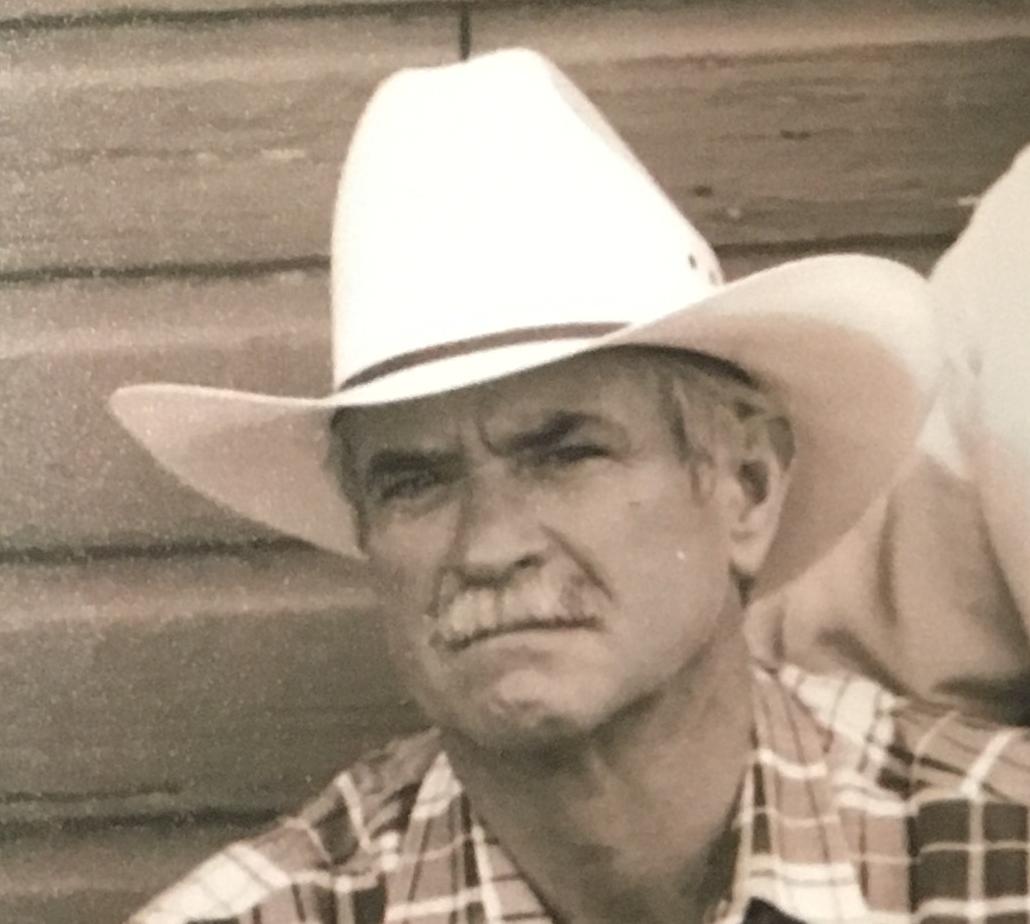
Randy rusk
Randy Rusk
Westcliffe, Colorado
“I saw there was a problem, and I knew it needed to be fixed.”

Randy Rusk is a second-generation rancher whose early encounters with development pressure on his land sparked a lifelong dedication to agricultural conservation. Concerned by the rapid fragmentation of working lands, he reached out to Colorado Cattlemen’s Agricultural Land Trust (CCALT), seeking a better way forward. That initial connection with CCALT opened the door to new ideas, resources, and relationships that helped Randy shape his conservation vision. One of his first major contributions was helping produce a study, supported by the Sonoran Institute, that demonstrated agriculture—rather than residential development—as a more economically beneficial investment for the county.
After Randy’s introduction to CCALT, he was invited to join CCALT’s Board, where he served for 15 years and chaired the Lands Committee. With few models to guide their work, Randy and his colleagues built CCALT’s foundational policies from the ground up — motivated by necessity and a shared vision. Those early policies proved influential, eventually serving as a blueprint for neighboring land trusts looking to establish their own conservation frameworks.
Though conservation was a calling, it wasn’t easy. Randy juggled ranching by day and CCALT work by night, often navigating complex challenges—from funding shortages to title complications and policy gaps. Today, with two easements on his own land and hopes to finalize a third for his son, Randy sees CCALT’s continued growth—and its echoes in other organizations—as a testament to what can happen when local voices unite with purpose.
Yet, despite the demands and setbacks along the way, Randy never lost sight of the big picture: ensuring that working lands remain productive and intact for future generations. As he puts it, “It’s not done for the people. It’s done for the land.”
Randy’s legacy of land stewardship and conservation has earned deep respect both locally and nationally. In 2017, the Palmer Land Trust honored the Rusk family with the Stuart P. Dodge Award for lifetime achievement in conservation. His work has also been nationally recognized through two notable awards: the Leopold Conservation Award, which celebrates exceptional commitment to sustainable agriculture, and Newsweek magazine’s Giving Back Award, honoring 15 Americans for outstanding public service and community impact. Together, these distinctions reflect the depth and reach of Randy’s dedication to conserving working lands.
Now looking ahead, Randy urges young ranchers to innovate, conserve the land’s capabilities, and embrace conservation as a long-term investment. His vision is clear—conserve the open spaces that inspire us, safeguard the traditions that ground us, and ensure that working lands remain a viable and vibrant part of Colorado’s landscape.

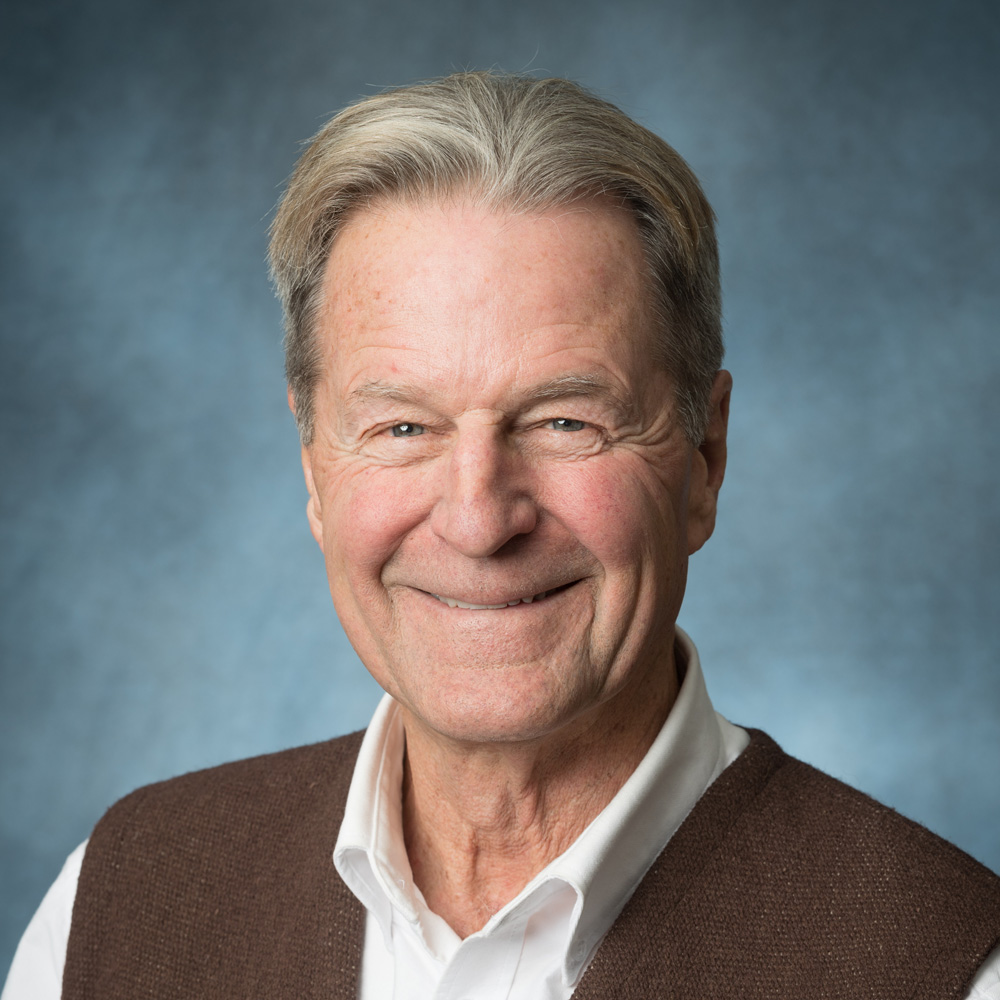
Rick Knight
Rick Knight
Livermore, CO
“To participate with the staff, board members and agricultural families has been a lasting pleasure. In the years to come, people will give thanks for these ‘forever’ legacies of those who gave with their hearts and minds to benefit us all.”
Rick Knight is professor emeritus of wildlife conservation at Colorado State University and an expert on the intersection of land use and land health in the American West. Renowned for his optimism and encouragement, Rick has played a crucial role in the development and growth of CCALT. Rick and his wife, Heather, live near Livermore, Colo., and are surrounded by open spaces and working lands.
Rick’s work has helped bridge the gap between conservation science and private land management by promoting the fact that the conservation of working lands also supports biodiversity, watershed health and ecosystem services, and emphasizing the fact ranchers are some of the best stewards of the land.
Rick joined the CCALT Board of Directors in 2000 upon receiving an invitation from Lynne Sherrod, CCALT’s first full-time Executive Director. Rick served three full terms, concluding his service as Vice President for Conservation. He collaborated on outreach, publications and educational efforts that strengthened relationships between ranchers, policymakers and conservationists. Rick continues contributing to CCALT by serving as a member of the Transactions Subcommittee, which is tasked with evaluating potential projects. Rick also serves on CCALT’s Additive Conservation Subcommittee. He brings an academic and ecological perspective that complements CCALT’s core belief: conservation and ranching are not mutually exclusive.
Rick’s eloquence and passion for the work has inspired two publications he produced and edited. Home Land: Ranching and a West That Works is an anthology of essays that offers a compelling narrative on how traditional ranching practices can align with modern conservation goals to support a resilient and thriving West. Twenty-five Years of Keeping Working Lands in Working Hands is a commemorative publication that was produced for CCALT’s 25th Anniversary. This publication serves as both a retrospective of CCALT’s accomplishments and an affirmation of its commitment to keep Colorado’s working lands productive and in the hands of those who care for them. Rick continues to be a trusted thought leader for working lands conservation across the West. He also continues to invite the next generation of conservationists to better understand and become involved in working lands conservation. His commitment has given CCALT credibility within academic circles and helped shape policy and public understanding of ranching and private lands conservation.

Kenny Rogers
kENNY rOGERS
Yuma, Colorado
“I love the fact that I have been a part of an organization preserving the ranching heritage through conservation of working landscapes. The fact we’ve been doing this for 30 years attests to the fact that while other land trusts have faltered, we’ve become stronger. This work has become increasingly important due to the pressures from development and loss of agricultural lands.”
Kenny Rogers is the fourth generation in his family to farm and ranch the same land and he has been a steadfast advocate for agricultural conservation and leadership. His mother’s side homesteaded Wagon Wheel Ranch in 1899, and their family’s stewardship has long utilized a “take half, leave half” approach to grazing fragile soils on the arid eastern plains. They have implemented sustainable practices like rotational grazing and water-efficient irrigation, earning them the 2025 Colorado Leopold Conservation Award.
Kenny was on the Colorado Cattlemen’s Association (CCA) board of directors during the initial discussions about forming a land trust and became a key advocate in lobbying the CCA membership to support the creation of CCALT. During CCALT’s early years, he held prominent state and national positions, including as president of CCA in 2006; as the 20th president of the Colorado Livestock Association; as a founding board member of the North American Weed Management Association and past president of its Colorado affiliate. He joined CCALT’s board of directors as a CCA appointee in 2009 and remained on the board until 2020.
As a CCALT board member, Kenny continually emphasized that families come first in CCALT’s conservation model, as opposed to having acreage be the benchmark for success. In the mid-2010s, Kenny played an instrumental role in CCALT’s rebranding effort. Over the years, Kenny has also pushed CCALT to think innovatively about how easements are valued and advocated for finding new ways to provide conservation options to underserved areas of the state.
Kenny rejoined CCALT’s board of directors in 2024, until he was elected as the policy division vice chair of the National Cattlemen’s Beef Association in early 2025. Kenny’s peers credit him with being a stalwart leader for the agriculture industry and a mentor for young ranchers in helping them find and implement their own best conservation practices. Kenny’s affinity for his trademark Hawaiian shirts is also well known.
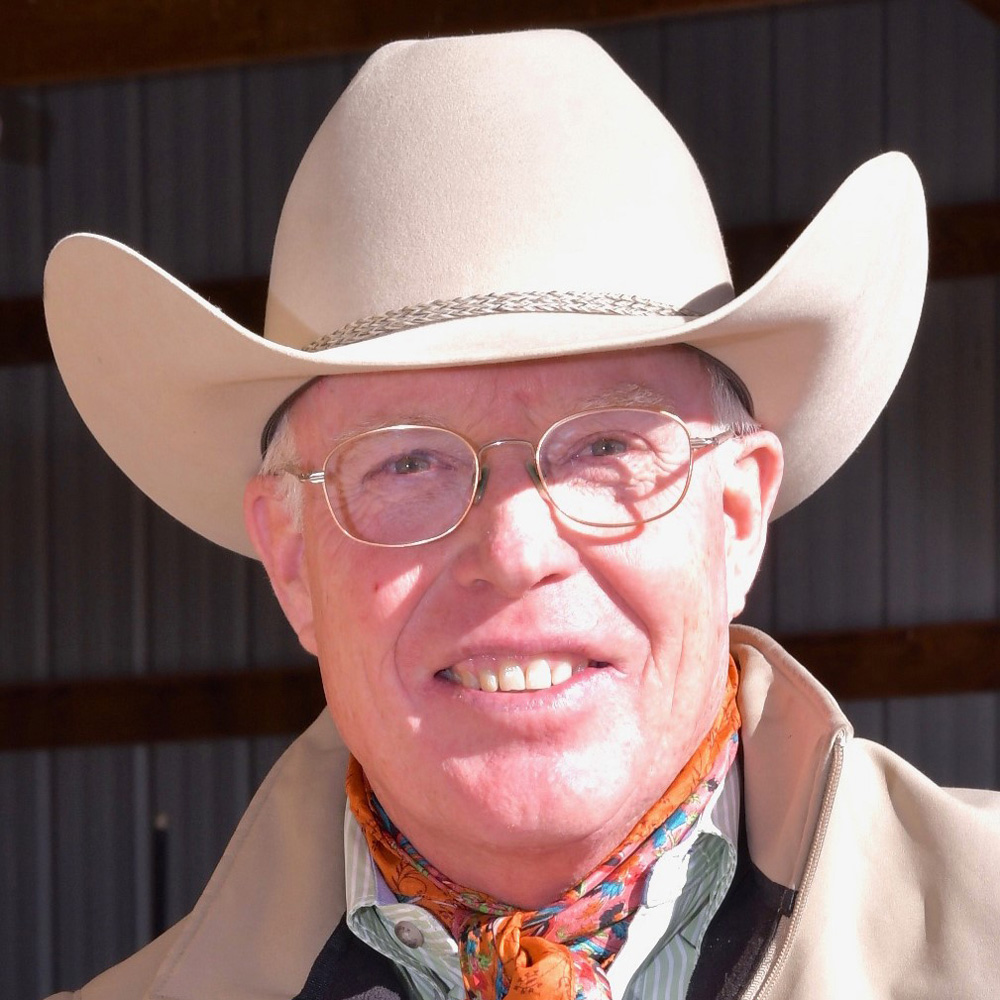
Ben Duke
BEN DUKE
Elizabeth, CO
“I truly want to make a difference for agricultural lands and working families who are such an important part of Colorado. I’ve spent my life both inside and outside the agricultural community advocating for the benefits of agriculture. CCALT is an organization I have spent a huge portion of my life with, and I would do it all over again.”
Ben Duke has been a rancher, respected agricultural leader and community builder along Colorado’s Front Range and beyond for more than 40 years, but his love for agriculture began as a child. Growing up on a small farm in the Littleton area, all Ben ever wanted was to conserve the piece of land where he spent his formative years. He followed his grandfather into the livestock industry and now raises Red Angus cattle on Fire Rock Ranch outside the town of Elizabeth, southeast of Denver. Throughout his successful professional career as a non-profit executive and fundraiser for several prominent agricultural, academic and historical institutions in Colorado, he has remained a vocal champion for the agriculture industry.
Ben has been a member of the Colorado Cattlemen’s Association since the 1980s and believed in CCALT’s mission from the beginning. His longtime friend, Sue Anschutz-Rodgers, recruited Ben to CCALT’s Board of Directors during the National Western Stock Show, where both have held leadership positions for a number of years. Ben served on CCALT’s Board of Directors from 2006-2022, occupying nearly every leadership role, including President from 2015-2017. He rejoined the Board in 2023. Because of his upbringing and proximity to the Denver metro area, Ben has always engaged in work to bridge the urban-rural divide.
Ben believes conservation is an important tool that can help facilitate the generational transfer of agricultural lands. He sees his involvement with CCALT as a means of giving back to an industry and a cause that has been central to his family and upbringing. Ben has worked tirelessly to increase awareness about CCALT’s mission. His extensive expertise in non-profit management has helped shape the CCALT governance structure and fundraising efforts. He also helped guide CCALT through a critical staff leadership transition while he was President, which led to the appointment of Erik Glenn as Executive Director in 2015. Ben has played an active role at CCALT for nearly two-thirds of its existence, bringing decades of experience from education, nonprofit leadership and agriculture to the organization. Ben continues to be an outspoken advocate for conserving agricultural lands throughout Colorado and the West. After fulfilling his childhood dream to help his mother conserve their family farm, Ben and his family also conserved a portion of their own Fire Rock Ranch with CCALT in 2024 to keep habitat integrity, agricultural productivity and scenic beauty part of their rural community. Ben’s lifetime of service was recognized in 2025 when he was honored as a Denver Business Journal Leader in Agriculture.
Honoring our Roots
Firsts all around
1995 – The Colorado Cattlemen’s Association (CCA), the nation’s first livestock industry association, pioneered a new approach to private land conservation by establishing the first land trust in the country solely dedicated to agricultural lands.
HONORING OUR ROOTS
FIRSTS ALL AROUND
This first tribute honors the deep roots of CCA and the visionary land stewards who helped create the Colorado Cattlemen’s Agricultural Land Trust (CCALT). Established in 1867, nine years before Colorado achieved statehood, CCA has always been a leader in advancing the interests and values of agriculture.
Today, nearly 60 percent of Colorado’s land remains privately owned and Colorado is one of America’s leading agricultural states. Across these landscapes, families and communities continue to pass down a powerful ethic of land stewardship. It was the extraordinary foresight of these families and the leadership of CCA that gave rise to CCALT.
Recognizing the growing threat of development and fragmentation to Colorado’s working lands, CCA members did more than just support conservation—they redefined it. They launched the nation’s first “cowboy conservation” organization, grounded in the values, culture, and legacy of Colorado’s farm and ranch communities. Through their dedication to stewardship and sustainability, CCALT has partnered with more than 400 families to conserve over 810,000 acres of productive agricultural land over the past 30 years. These lands not only grow the food and fiber that feeds the world, but they also support the wildlife habitat, water resources, scenic views, and open space that define Colorado.
From the beginning, CCA members led with boots on the ground and hearts on their sleeves. Their commitment has inspired a national model, adopted by peers throughout the West and Midwest. The founding of CCALT was bold, visionary, and ahead of its time—a fusion of generational ranching wisdom and a forward-looking resolve to conserve Colorado’s working landscapes for generations to come.
From one Generation of Trailblazers to the Next
Centennial Ranch
The Kontny family carries forward the legacy of conservation on the first property ever conserved with CCALT. Their ongoing commitment reflects the spirit of trailblazers across Colorado — families who shape the land through care, resilience, and vision.
A UNIQUE APPROACH TO CONSERVATION
1995 – CCALT’s unique conservation model puts people first with the belief that taking care of people lets them take care of the land. Our people-centered approach continues to define CCALT today, ensuring that working landscapes nourish communities and preserve Colorado’s Western way of life.
